
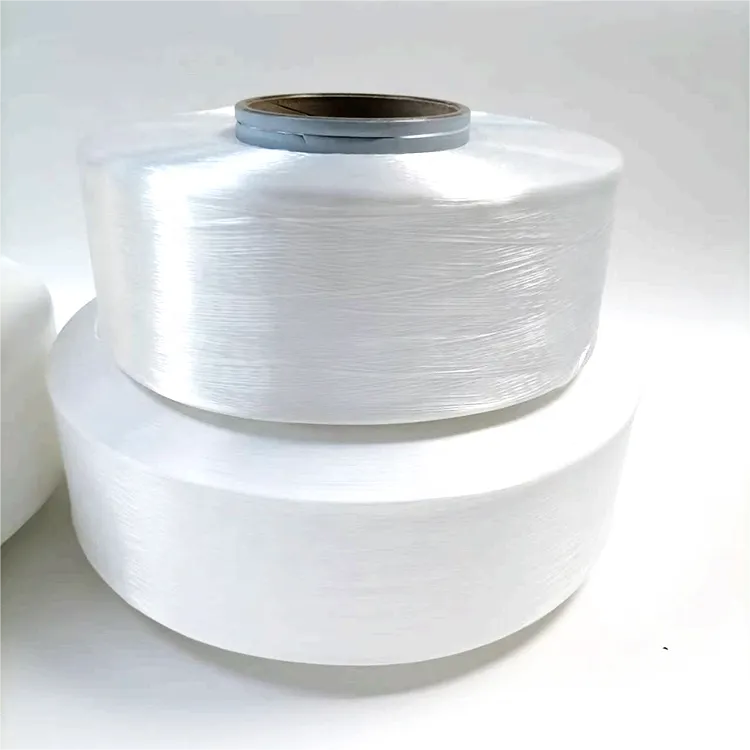
If you are choosing between nylon 6 and nylon 66 yarn for a new webbing or industrial fabric, start with the step most likely to limit the design. A narrow tape may have to keep its width after dyeing. A woven panel may need a smooth surface after repeated rubbing. A replacement warp may need to run on an existing loom without changing the way the fabric finishes. Each problem calls for a different comparison, even when the two yarns have the same nominal count.
What the Nylon Grade Tells You
Nylon 6 (PA6) and nylon 66 (PA66 or nylon 6,6) are distinct polyamides. Nylon 6 is commonly made from caprolactam. Nylon 66 is commonly made from hexamethylenediamine and adipic acid. The grade belongs on the purchase specification alongside the yarn construction, so the mill can identify exactly what it is evaluating or reordering.
PA66 typically melts at a higher temperature than PA6. In a comparative polymer melting study, researchers observed melting peaks of 222 °C for their neat PA6 and 264 °C for their neat PA66. That difference makes PA66 a sensible first candidate when a new construction involves higher-temperature finishing and neither grade is specified. Those figures describe the materials in the lab experiment. Set the trial conditions with the yarn supplier, then check the actual yarn and fabric for shrinkage, distortion and any loss of strength after finishing.
Fully drawn yarn, or FDY, describes the yarn form. Both nylon grades are available as high-tenacity FDY. Within that description, the total linear density, number of filaments, elongation and shrinkage can differ by yarn. For instance, two packages labeled 420 denier have the same nominal mass per unit length. If the filament count differs, the individual filaments have a different nominal linear density, which can affect how the bundle covers the surface of the weave. Specify the total count and filament count when a replacement needs to reproduce an approved fabric.
Where to Start with Nylon 6 and Nylon 66
Webbing and narrow woven tapes
Finetex lists its high-tenacity nylon 6 FDY for webbing, rope, industrial fabrics and sewing thread. For a woven tape already made with PA6, use the approved PA6 yarn or a retained tape as the reference when reviewing a new lot or a proposed replacement. Match the warp and filling counts, then compare the tape’s width, edge appearance and extension under the load relevant to its use. Measure width again after the intended dyeing or heat-setting cycle.
A tape that slides through a buckle or guide can wear at the contact point even when the flat face still looks sound. Include the actual hardware in the prototype checks, especially if the tape folds around a small radius or repeatedly rubs an edge. For a controlled abrasion comparison, ASTM’s webbing abrasion method uses a hex bar. Agree with the lab on the method that fits the product, then test the relevant hardware and contact points as part of the assembly trial.
Industrial fabrics with an existing PA66 specification
Finetex lists its high-tenacity nylon 66 FDY for weaving, industrial fabrics, rope and sewing thread. Where a drawing or approved material list specifies PA66, start with the specified grade and confirm the count, filament configuration and finishing conditions. Both Finetex product pages list 420 denier. If that is your target count, use it as a starting point and ask for the actual filament count, breaking force, elongation and shrinkage results for the two candidates under comparable test conditions.
For a new fabric, decide which part of the construction needs the comparison. If a woven panel keeps the same filling yarn and only the warp changes, test the warp candidate in that construction. When the fabric will be coated, check compatibility with the intended coating and inspect the textile again after curing. Record the finished width, surface appearance and any change in stiffness that makes the material harder to fold or assemble.
Compare the Yarn Data Before Planning the Trial
Ask for breaking force, breaking tenacity and elongation at break for each candidate. Breaking force is the load at rupture. Breaking tenacity expresses that force relative to linear density, making it easier to compare yarns when the counts differ. ASTM’s single-strand tensile method describes both measures and gives options for specimen form and conditioning. Record which option the lab used so the values can be compared on the same basis.
Use the data sheet to decide what to sample, then define what the finished textile has to do in use. For a tape that must hold its length under a routine load, agree on extension at that load as well as the breaking requirement. For a tightly woven surface that rubs against another material, inspect the texture and any broken filaments after the specified wear test. Label test pieces with the yarn lot and textile construction so you can trace a difference back to the correct trial.
Run the Trial Through Weaving and Finishing
Use the same construction as the control
For a side-by-side trial, start with the same weave, ends per unit width, picks per unit length and target finished width. Hold the variables constant where practical. If one yarn needs a tension adjustment for stable running, record the setting alongside the yarn lot. Track where the loom stops and check whether filament damage appears at a particular guide, heddle or reed position. A yarn that produces an acceptable swatch at low speed still needs a run at the intended production speed.
Check dimensions and shade after the actual process
When the fabric will be heat set, ask for yarn shrinkage data together with the test conditions. ASTM’s hot-air shrinkage method covers nylon yarns and cords within its stated range of 20 to 700 tex. Ask the lab for a suitable method if your yarn falls outside that range. Use the supplier data to screen the candidates, then measure width and length on the finished article. A width change that begins during weaving calls for a different adjustment from a change that appears only after finishing. Measure at both stages to locate the problem.
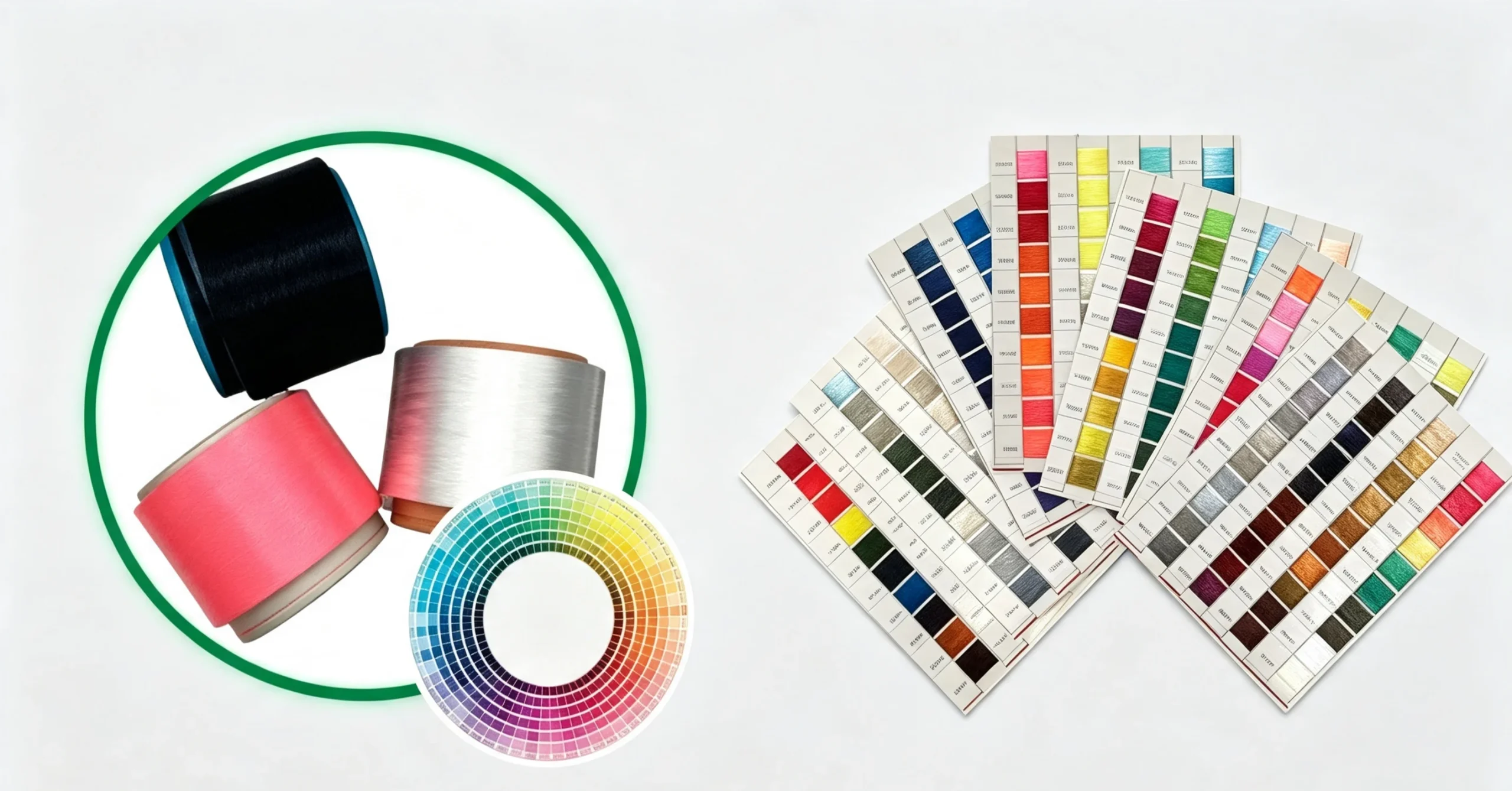
Finetex lists raw white and dyed color options for both grades. If the fabric is dyed or coated after weaving, approve shade and luster on a finished swatch under the lighting used for inspection. When two yarns need to match in a single assembly, prepare and assess them side by side after the intended finishing cycle. Keep a retained swatch, the yarn identification and the finishing record together for repeat orders.
Check that the result holds across the roll
Suppose the first PA6 and PA66 samples both meet the minimum breaking requirement for a new woven panel, but the PA66 swatch comes off the finishing line narrower. Compare the greige widths and review the yarn and process records before changing the loom settings. If the difference shows up only after finishing, run a second trial with the finishing conditions recorded and check whether the narrower result repeats.
Before releasing a candidate for production, take samples at multiple points during the trial run. A width or edge change that appears toward the end of a roll can affect how consistently parts cut and fit during assembly. File the measurements with the approved swatch and keep the material code, count and lot on the record.
Share the Details of Your Weaving Trial
Send us your trial specifications with the application, approved polymer grade if there is one, total yarn count, filament count, color and point in the process where a problem occurs. For an alternate grade or lot, tell us which properties the finished swatch must match. That gives us the details to discuss suitable high-tenacity FDY sample options and the yarn data to compare before you run them on the loom.
Nylon 6 vs. Nylon 66 Yarn FAQ
Can nylon 6 replace nylon 66 at the same denier?
Treat it as a proposed material change. Verify the grade requirement first, then compare filament count, elongation, shrinkage, running behavior and finished textile performance. If the approved specification requires nylon 66, obtain approval for a grade change before using nylon 6 in production.
Which nylon yarn should I try first for webbing?
Use the grade on the approved drawing or equivalent reference tape. For a new construction with no prescribed grade, the nylon 6 range listed for webbing provides a starting sample. Decide whether to trial nylon 66 as well by checking matching counts, the finishing route and the load and abrasion requirements of the finished tape.
What should I ask for when heat setting causes width variation?
Ask for the lot’s shrinkage results and the conditions used to obtain them. Compare the new material with the approved yarn, then measure the trial tape before and after heat setting at several points along its length. Log line speed, temperature and tension so the mill can reproduce the results and isolate the source of the change.