
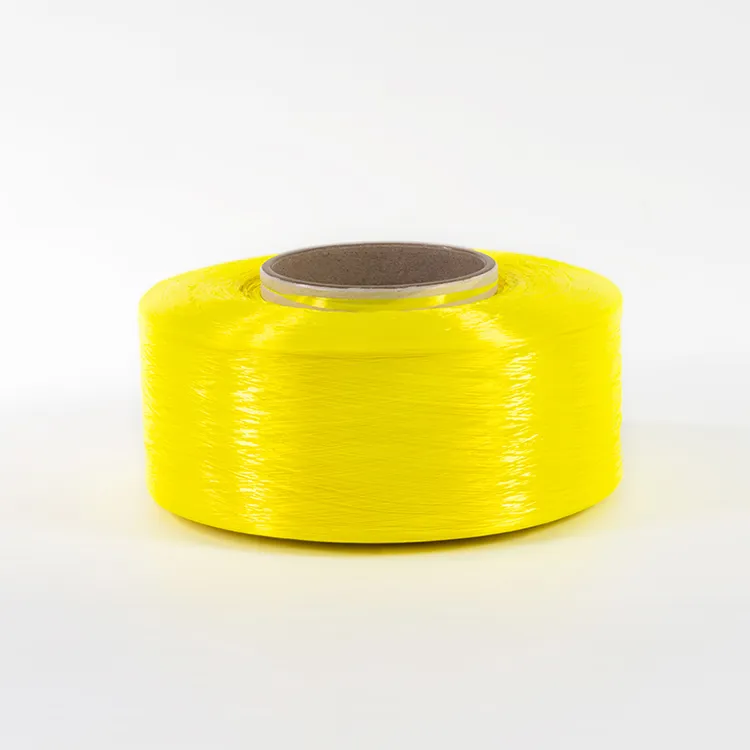
Polyamide yarn is a synthetic textile yarn made from fibers whose polymer chains contain repeating amide bonds. Nylon is the familiar textile name for common fiber-forming polyamides such as nylon 6 and nylon 66. These fibers are used in hosiery, seamless garments and industrial textiles because they can offer strength and resistance to surface wear in a range of yarn constructions.
For a textile buyer, the fiber name identifies what the yarn is made of. A usable specification also identifies the nylon grade, yarn construction and size. Those details help determine whether a sample will knit smoothly, recover after stretching or meet a woven fabric’s breaking force requirement.
How Are Polyamide and Nylon Related?
Polyamide names a family of polymers. Nylon 6 and nylon 66 sit within that family and account for two of the familiar grades used in textile yarns. Annex I of the EU textile fiber regulation lists the fiber name as “polyamide or nylon.” The same annex gives aramid its own entry, reflecting the distinction between conventional textile nylon and aromatic polyamide fibers.
On a garment label, “100% polyamide” gives the fiber composition. On a yarn order, ask the supplier to name the grade and construction as well. “PA66 high-tenacity FDY” identifies polyamide 66 and a fully drawn filament yarn. “Nylon DTY” identifies a draw-textured yarn, with the specific nylon grade to be confirmed on the order. Each term answers a different question about what will arrive on the package.
Common Types of Polyamide Yarn
Nylon 6 and Nylon 66
Nylon 6, also written PA6, can be made by opening the ring of a molecule called caprolactam and joining the resulting units into a polymer chain. A polyamide 6 synthesis study demonstrates this reaction. Nylon 66, written PA66 or nylon 6,6, uses two starting materials, hexamethylenediamine and adipic acid. The DOE nylon 66 report describes this production route and gives examples of nylon 66 fiber applications, including upholstery and fishing nets.
Finetex lists a high-tenacity nylon 6 FDY for uses including webbing and industrial fabric, and a high-tenacity nylon 66 FDY for sewing, weaving and industrial textiles. For an existing product, use the polymer grade on the approved specification and ask for the yarn data for that grade and count. For a new product, screen the options against the actual operating conditions and finished textile requirements.
Continuous Filament and Textured Yarn
During melt spinning, molten nylon passes through small openings to form continuous filaments. A multifilament yarn brings several of those filaments together. The filament count describes how many are in the bundle, while denier or decitex describes the mass per unit length of the whole yarn. At a fixed total denier, a bundle with more filaments has finer individual filaments. This gives the mill another variable to adjust when sampling for coverage and hand.
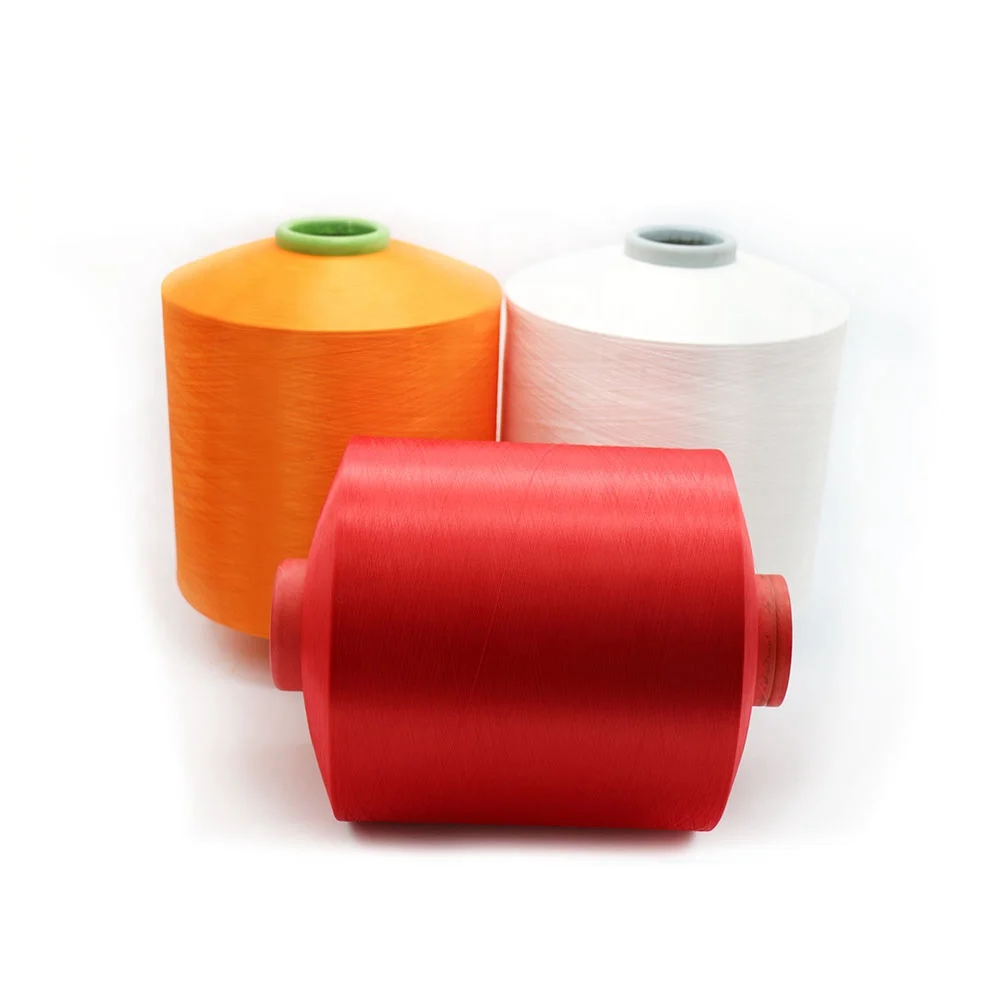
Texturing introduces crimp into the filaments, adding bulk and allowing the yarn to extend as the crimp opens. Finetex’s nylon DTY product page lists PA6 and PA66 options and shows raw white, hank-dyed and dope-dyed specifications. Confirm the combination of grade, count and color route for the particular sample you want. For a knit designed to fit close to the body, check stretch and recovery on the finished swatch at the intended stitch length.
Where Is Polyamide Yarn Used?
Hosiery and Seamless Knits
In hosiery, fine yarn helps control sheerness and coverage, while the fabric needs to flex with movement. In socks, check wear at the heel and toe, where repeated rubbing can expose differences between samples. Finetex lists socks and seamless garments as uses for its nylon DTY. For a fitted knit, extend a finished sample in the directions that matter, then measure how closely it returns to its original dimensions. If the design uses elastane, keep its specification and feed settings consistent when comparing the nylon candidates.
Webbing and Industrial Fabrics
Yarn strength and fabric construction both matter when the textile carries a load or rubs against hardware. A webbing developer can start by identifying the required breaking force of the finished strap and where wear is expected, such as the edge or the area that contacts a buckle. Sample the planned weave, width and finishing process, then test the webbing itself. For a sewn industrial fabric, include a seam sample made with the planned thread, needle and stitch settings so the test captures how the materials work together.
Upholstery and Other Surfaces That Rub
In upholstery, repeated rubbing can first show up as fuzz, a change in appearance or exposed backing. When evaluating nylon for the face of a fabric, compare swatches in the intended weave and finish. Agree on what ends the test, such as an unacceptable appearance change or yarn breakage. Use a matching color and surface finish when the buying decision depends on how wear will look in use.
What to Specify When Ordering Polyamide Yarn
Describe the Yarn and Where It Goes
Give the supplier the end product and the yarn’s role, such as the main yarn in a sock, the warp in webbing or the yarn used to make sewing thread. Include the required PA grade, yarn form, linear density and units, filament count, color and luster where specified. Share the current yarn specification or a reference swatch for a replacement. If the datasheet uses a shorthand such as 70D/48F, confirm that the figures mean 70 denier for the bundle and 48 filaments, and ask how any ply count is shown.
For a visible face yarn, include the shade reference and how the fabric will be finished. Review color and luster on the finished swatch under the lighting used for approval. If the yarn will go through a dye bath or heat-setting step, tell the supplier before sampling and compare appearance and dimensions after the same process.
Ask for Measurements That Match the Job
For a strength-driven application, ask for breaking force, elongation at break and, when comparing yarn sizes, tenacity. Tenacity relates breaking force to linear density, so it helps compare yarns with different counts. The public scope of ASTM’s yarn tensile method describes these measurements and identifies the yarns it covers. Ask the supplier to name the test method and units so you can compare results on the same basis. For stretch knits, set a finished fabric recovery target and specify the extension and number of cycles used to assess it.
Run the shortlisted yarns through the intended machine and finishing route. Where practical, hold stitch length or weave settings constant during the first comparison so you can see what changes with the yarn. Record the sample lot, machine settings and final dimensions, and retain the approved swatch alongside the specification. This gives purchasing and production the same reference when the bulk order arrives.
Discuss Your Polyamide Yarn Sample
Tell us what you are making, where the yarn goes in the construction, and which result will decide approval. Include the required PA grade and count if you have them, along with a shade reference or the specification for the yarn you already use. Send Finetex your sample brief so we can discuss which of our nylon filament or DTY options to evaluate first.
Polyamide Yarn FAQ
Does 100% polyamide tell me whether the yarn is nylon 6 or nylon 66?
It gives the fiber composition. To confirm the grade, look for PA6 or PA66 on the yarn datasheet or ask the supplier to state it in the order specification. The grade is particularly useful when replacing an approved yarn in an existing production run.
Does DTY identify a type of nylon?
DTY means draw-textured yarn and describes how the yarn is made. A nylon DTY specification can also identify the polymer grade, count and number of filaments. Request these details together so your sample and production order refer to the same yarn.
Can a nylon DTY sample tell me how much a sock will stretch?
Test the finished sock at the required extension to find out. The yarn contributes to stretch, while stitch construction and any elastane in the design also affect how far the sock stretches and how well it returns to size.